legends / Storytelling
Lesson 1 ~ what is storytelling?
What is storytelling? ~ It is an oral tradition to pass along history, culture, values, ways of life and also to entertain.
What is a legend? ~ It is a story that teaches us how NOT to behave or how something came to be.
What are some storytelling options to use when retelling? ~ pictures, rocks, puppets, loose parts, plays, etc.
What is a legend? ~ It is a story that teaches us how NOT to behave or how something came to be.
What are some storytelling options to use when retelling? ~ pictures, rocks, puppets, loose parts, plays, etc.
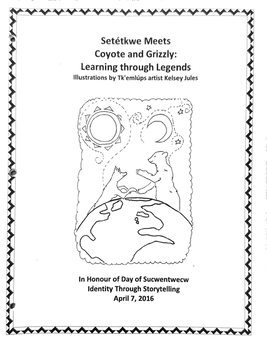
lesson 2: setetkwe meets coyote and grizzly
Learning through legends ~ how something came to be and/or how to behave.
How did day and night come to be?
How not to behave.... what did they learn?
How did day and night come to be?
How not to behave.... what did they learn?
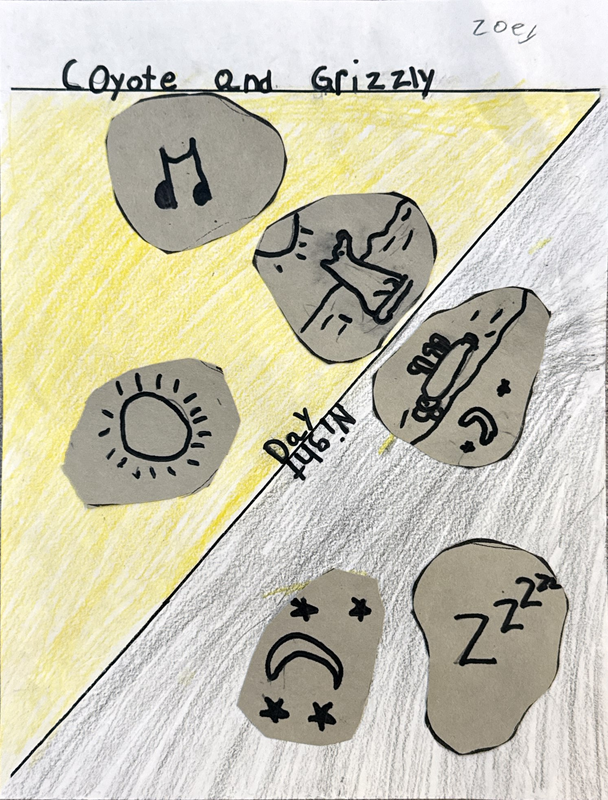
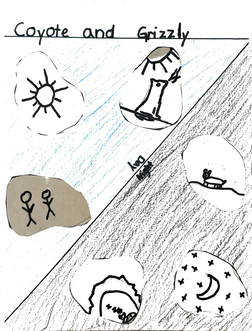
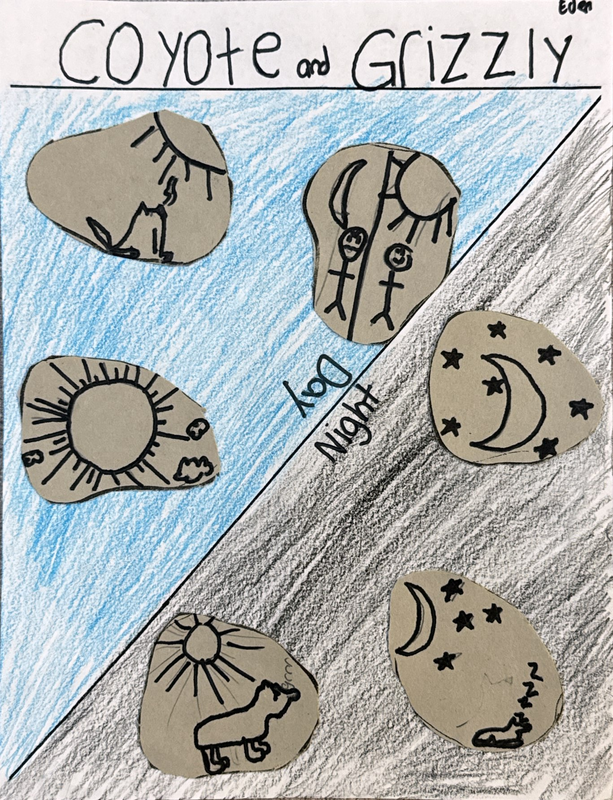
Lesson 3: retell coyote and bear ~ how day and night came to be
Make story stones by drawing 3 meaningful pictures for both day and night to help you retell the story of Coyote and Grizzly and how day and night came to be. Glue these on your paper on the proper side. Colour the background to represent day and night. Put the title at the top of the page.
|
|
|
|
Lesson 4: How bear lost his tail
Read the story of How Bear Lost His Tail to the class. As the story is being read ~ act out what is happening (scarf for tail). Complete the story map together using pictures and sentences.
Play the story on CBC Legends of the Shuswap.
Play the story on CBC Legends of the Shuswap.
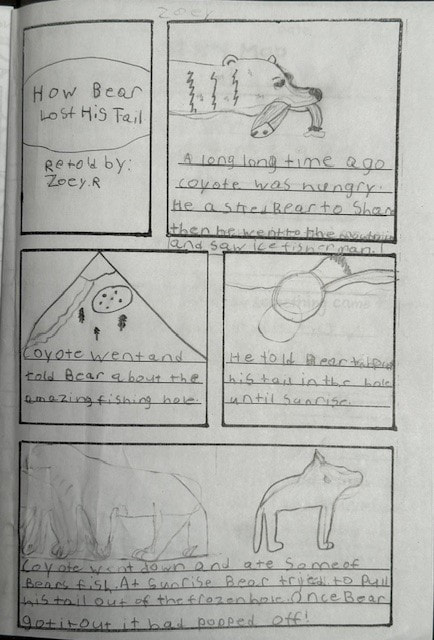
|
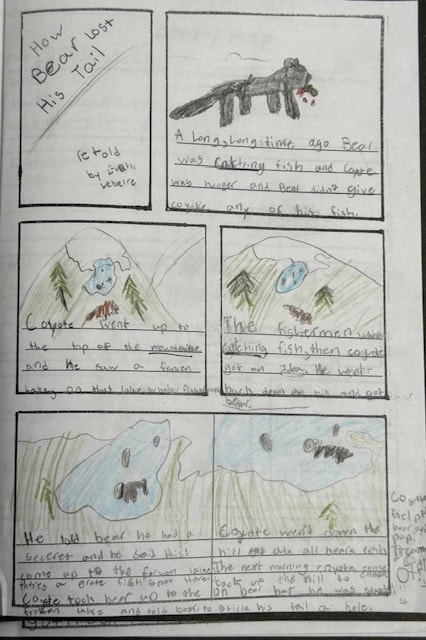
|
Lesson 5: coyote's gift
Read the story of Coyote's Gift to the class. Complete the story map together.
Play the story on Spotify "Tell Me a Story 2: Animal Magic" and while it's playing use loose parts to act it out.
Loose parts needed: frog, coyote, owl, chipmunk, tree (pinecone), bear, 2 sticks and a lump of coal and fire. Setting is in the forest.
Play the story on Spotify "Tell Me a Story 2: Animal Magic" and while it's playing use loose parts to act it out.
Loose parts needed: frog, coyote, owl, chipmunk, tree (pinecone), bear, 2 sticks and a lump of coal and fire. Setting is in the forest.
lesson 6 / 7 : spider's gift
Read the story together.
Retell the story using felt pieces. Students then create their own pieces using the coloured construction paper squares. Rough cut and retell.
Listen to the CBC Legend (44:45 - 50:43)
Retell the story using felt pieces. Students then create their own pieces using the coloured construction paper squares. Rough cut and retell.
Listen to the CBC Legend (44:45 - 50:43)
lesson 8/9: the beginning of story writing
Discuss the animals in the story and the lessons learned or how something came to be.
Book browse to see story ideas and animal characteristics. Fill out 'mini-book' for four books: characters, a picture, beginning/middle/end and the lesson or how it came to be.
Book browse to see story ideas and animal characteristics. Fill out 'mini-book' for four books: characters, a picture, beginning/middle/end and the lesson or how it came to be.
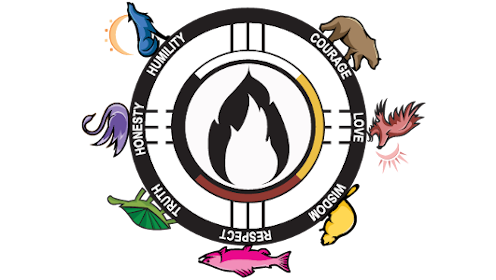
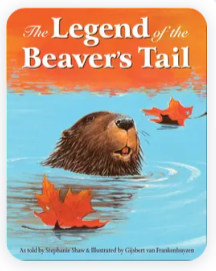
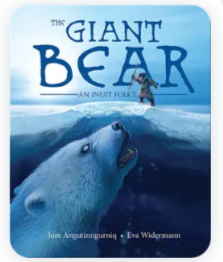
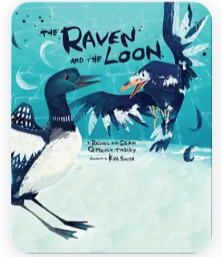
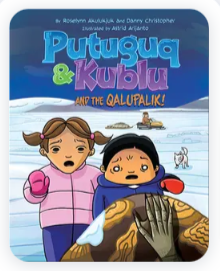
legends on epic books:
|
|
|
|
|
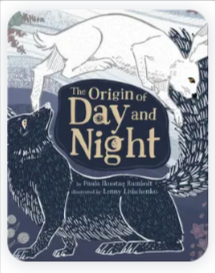
|
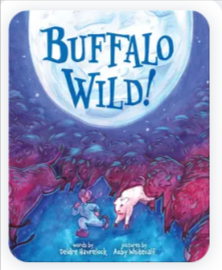
|
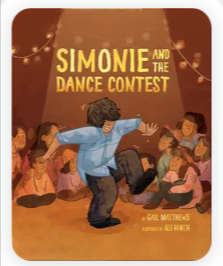
|
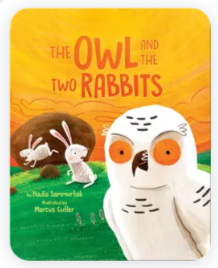
|
lesson 10: Story map
Begin to brainstorm their own stories. Which animals fit and what will be the lesson?
How will they choose to retell their story?
How will they choose to retell their story?
Marking Rubric:

| indigenous_story_telling_rubric.pdf |
